If you have a question that is not answered below, contact us today at (475)255-3713, and we’d be happy to help!
Hard money lending in real estate refers to a type of short-term loan provided by private individuals or companies, often at higher interest rates and with less stringent qualification requirements than traditional banks. Hard money loans are typically secured by the property itself.
Real estate investors, including individuals, house flippers, developers, and small businesses, often seek hard-money loans. These loans are frequently used for investment properties, fix-and-flip projects, and short-term real estate ventures.
Faster approval and funding times, flexibility in credit and financial history requirements, and the ability to finance properties that may not qualify for traditional loans due to their condition or other factors are some of the primary advantages of utilizing hard-money loans in the real estate realm
The LTV ratio plays a significant role in hard money lending. Lenders typically offer a percentage of the property's appraised value, often ranging from 60% to 80%. A higher LTV ratio may result in a higher interest rate or stricter terms.
Hard money lenders can finance a variety of property types, including residential homes, multi-family units, commercial properties, and even land. Eligibility tends to vary by each lender’s specific criteria.
Hard money lenders primarily focus on the value and condition of the property being used as collateral, the borrower's experience and track record, and their ability to repay the loan. Credit history is a secondary consideration.
Hard money loans are typically short-term, with loan terms ranging from six months to a few years. They are designed with a faster approval process for quick acquisition and renovation of properties or for bridging financing gaps.
Interest rates for hard money loans are usually higher than those of traditional mortgages, typically ranging from 8% to 15% or more, depending on factors such as the lender's terms, the borrower's risk profile, and the property's overall condition.
Prepayment penalties vary by lender, but some hard money loans may include prepayment penalties if the borrower repays the loan before a certain period, typically within the first few months. Borrowers should always carefully review the terms before signing.
To mitigate risks, borrowers should conduct thorough due diligence on the property, work with reputable and experienced hard money lenders, have a clear exit strategy, and ensure that the financials of their project are well-planned to meet repayment obligations.
All-Purpose Financing Working Capital to finance almost any business need you can dream up. You can get one loan and work with one lender for all of your needs.
Gold Standard Low down payments interest rates (thanks to that government guarantee decreasing lender risk). Long terms and flexible payment schedules allow you to keep your cash reserves intact.
Not Just Money Some SBA backed loans come with hard to find resources and access to mentorship programs. Whether you get a loan or not, the SBA has a number of services to help small business growth.
Fueling the Economy The SBA backs billions of dollars in loans to small businesses each year, keeping businesses running. The SBA doesn’t typically cost tax payers a penny; The SBA funds itself with the guarantee fee it collects.
Capital When You Need It
Get the most flexible access to working capital anytime you need it with revolving business lines of credit.
Draw Only What You Need
Withdraw exactly as much as you need, and don’t let your business get saddled with a loan you won’t utilize.
Pay for What You Use
You’ll only pay interest on the amount you withdraw, which means the cost of capital is usually less than other types of funding.

Paradise Valley, Arizona, United States

13330 N 82nd Pl, Scottsdale, AZ 85260
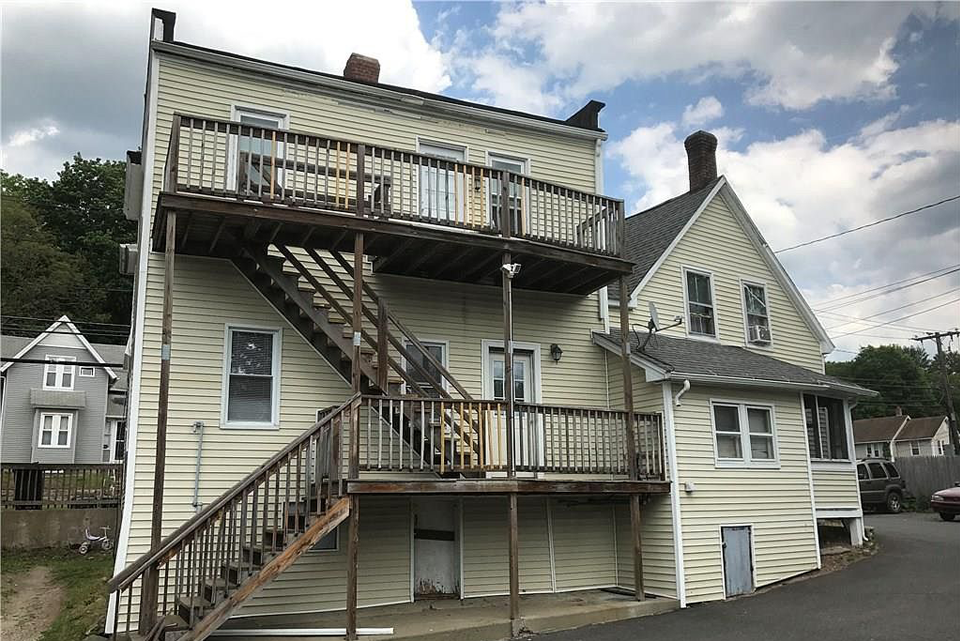
76 W Main St, Stafford, CT 06076
Important Information
The above content is provided for general informational purposes only. It is not intended to constitute investment advice or any other kind of professional advice and should not be relied upon as such. Before taking action based on any such information, we encourage you to consult with the appropriate professionals. We do not endorse any third parties referenced. Market and economic views are subject to change without notice and may be untimely when presented here. All images and figures shown are for illustrative purposes only and are not actual customer or model returns. Do not infer or assume that any securities, sectors, or markets described were or will be profitable. Investing involves risk, including the possible loss of your investment. Past performance does not guarantee future results. Please consider carefully the investment objectives, risks, transaction costs, and other expenses related to an investment prior to deciding to invest.
Any link or reference herein to financial publications is for information purposes only. Starvox Capital does not endorse, favor, or recommend any third-party website, commercial product, process, or service. Starvox Capital cannot verify the accuracy, completeness, or quality of the content of any third party website, or any products or services offered via those websites. To the extent any linked third party website collects personal information from end-users, Starvox Capital cannot be held liable for such commercial activities.